
 How Landscapes Add Value to Your House
Your house/property is probably the densest of the assets that you own. No amount of gold or cars can ever replace your home that your family lives in. Oh, what you do not do to increase the value of your house, you paint it, you repaint it, and you spend your precious time installing showers and steam baths. Changing your old door for new oak wood ones, tree trimming in backyard landscapes and carpeting the living room and whatnot! What if I tell you that house value is not necessarily increased with indoor renovation? Trees in your landscapes and yards, front and back, add so much and they are worth trimming and pruning and keeping healthy. Arborists can really help keep them alive and looking great. They can also teach you how you can keep your trees living a long time. Look for a great tree service like Mesa Trees in Mesa AZ who are willing and able to tell you ways to keep your trees looking great. For that you have to think out of the house… may be the pool area or the poor, neglected yard that is so desiccated it could almost be compared to a graveyard! Renovate that yard and add some value to your house.
Trees Add Landscape Charm
You may think landscaping the yard is really a superfluous expense but do you know what kind of worth does it add to your property? Any person seeking for a safe haven would search for a pleasant place and a house with a barren backyard is no sight to relish. Whereas, a landscaped backyard would be a picturesque view with either vines cascading down an arch or climber hung to a wall which would not only be a beautiful sight but the wall might not need repainting. House seekers would love a home where their lungs are bombarded with a fresh garden smell creating a sensational aura about the house and sanitized air to breath. It would really hide other degrading aspects of your house and any ugly piece of wood and cement can be beautified with the help of landscaping.
Tree Services Can Increase Home Values
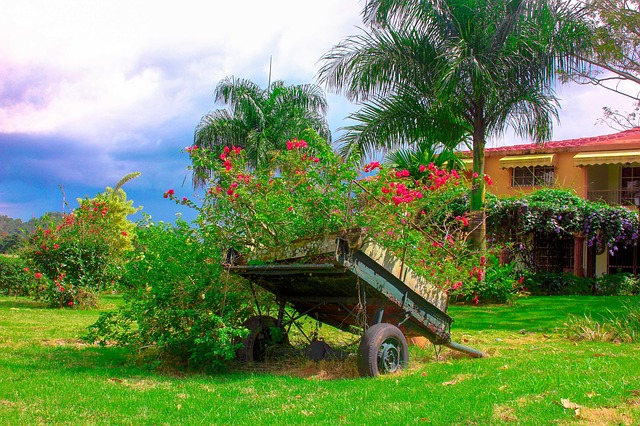
However, for effectiveness landscaping has to be implemented correctly, the texture and colors are to be added to the right places that are either dull or devoid of sun. While, large plants or plant lifters should be added in void corners that would indeed look better when filled. Trees can add significant elegance to your home if they are selected properly and placed well. Tree service professionals as well as experienced landscapers can aid in helping make sure the trees are placed well. Remember that they grow many time larger than they are when you buy them. Yet, it is important to ensure that the yard is designed in a modern, elegant way where there shouldn’t be as many plants that would either block the view or hide the spaciousness of the yard. Less plants or trees in an organized way such as decorated with a stoned pathway or a circular arch would look as striking as any. Every dollar that you spent in beautification and maintenance will be returned tenfold by potential buyers!
Ever Wonder What Botany Is?
When I was in collage my neighbor was studying botany. I did not know much about it but the garden in the front was one of the most interesting gardens in the area. We also ate really well since she not only planted decorative plants but edible ones also. I had never eaten some of the greens she grew until then. I learned to really enjoy taking care of the garden and plants. Watering them became a meditative task after the rigors of the days on campus and nights of homework.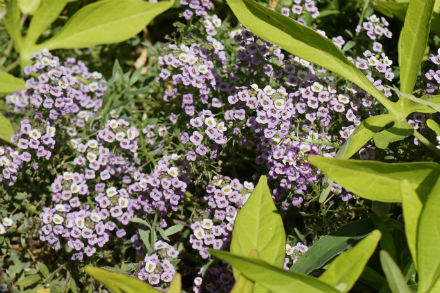
So I thought that in respect to that memory and to the skilled and trained botanists out there I would post this:
What is Botany?
Botany is the scientific study of plants. “Plants,” to most people, means a wide range of living organisms from the smallest bacteria to the largest living things – the giant sequoia trees. By this definition plants include: algae, fungi, lichens, mosses, ferns, conifers and flowering plants. Today scientists believe bacteria, algae and fungi are in their own distinct kingdoms, but most general botany courses, and most Botany Departments at colleges and universities, still teach about these groups.
Because the field is so broad, there are many kinds of plant biologists and many different opportunities available. Botanists interested in ecology study interactions of plants with other organisms and the environment. Other field botanists search to find new species or do experiments to discover how plants grow under different conditions. Some botanists study the structure of plants. They may work in the field, concentrating on the pattern of the whole plant. Others use microscopes to study the most detailed fine structure of individual cells. Many botanists do experiments to determine how plants convert simple chemical compounds into more complex chemicals. They may even study how genetic information in DNA controls plant development. Botanists study processes that occur on a time scale ranging from fractions of a second in individual cells to those that unfold over eons of evolutionary time.
The results of botanical research increase and improve our supply of medicines, foods, fibers, building materials, and other plant products. Conservationists use botanical knowledge to help manage parks, forests, range lands, and wilderness areas. Public health and environmental protection professionals depend on their understanding of plant science to help solve pollution problems.
Source: What Is Botany
I don’t remember her name but it is nice to me that I still remember the experience. I thought I would also post some recent picture of plants and trees from some local travel we did. These are some desert trees and plants from the Sonora desert. The temperatures there can reach 120F in the summer but are usually around 110F. But, it does not cool off at night much so the plants and trees never get a break in the summer.
Favorite House Plants
Favorite House Plants
The most effective way to de-stress your home environment is by adding relaxants to your household décor to alleviate the gloomy feeling. The mind is an intelligent being yet it succumbs to the environment that is created about it, there are plenty of furniture or things that represent the film-noir era establishing a dim and depressing atmosphere. Black may be an elegant color but being around it all day may cause you to think about the world in a darker way which is why it is recommended to keep plants in your home-place. Plants are insinuated to be having relieving gestures imbuing refreshing sensations. Here are some of the best house plants to be domesticated:
Aloe Plant
Aloe plant is not only said to be an effective healer of burns and cuts but also beautifies the skin, it can be presented as the perfect household plant. It grows effectively under direct sunlight and helps clean the atmosphere from chemicals and pollutants permeating fresh air.
English Ivy
English Ivy is known to be the preeminent air-filtering plant that is adaptable and easy to cater. It diminishes the stress level of your home environment so that every breath you take is fresh and unpolluted whereas your house redolent of the garden odor.
Peace Lily
As the name suggests this plant is all about calmness and elegance. These are extremely low-maintenance flora that reduces the level of toxins in the air and purify it. These lilies do best in shade and nonchalant temperatures.
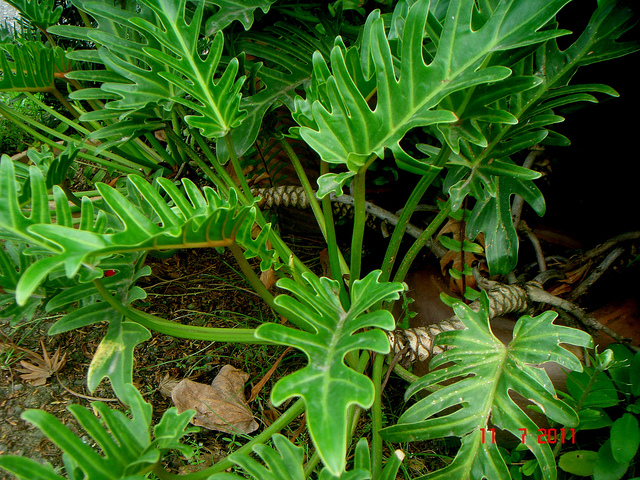
Philodendron
These are plants with heart-shaped leaves, widely enjoyed as indoor plants. Their way of purifying the atmosphere is similar to English Ivies, they can have extensive lives if appropriately heeded.
Red-Edged Dracaena
They are ornamental green plants decorated with vibrant edges and can grow as long as 15 foot. It fills up empty corners of your house and at the same time diminishes xylene and sanitize your breathing space.
Golden Pothos
They make it to the books for clearing hazardous gases from the air sterilizing it. They are chiefly climber and do well in low sunlight and in case of hanging them on the wall they provide an elegant edge to your home décor when growing downhill in tumbling vines.
Good Plants for Homes
Good Plants for Homes
Raise your hands if you’re lazy but a plant buff? You want to have your own indoor garden or at least a few plants here and there or maybe just one in the living room for the ambiance and the pleasant garden smell to welcomed with every time you enter the house. But, either you are too occupied already that you are unable to cater to their needs such as watering and trimming. Which is why we bring you some of the most low-maintenance plants that adorn your house and ask for the lowest return;
Chinese Money Plant
It requires a less than moderate level of care, an indirect path of sunshine, some weekly misting and there you go with little and beautiful round shaped leaves. They bring you luck and peace according to the Masters of Chi and are cheap. However, they do entail a “drench and dry” approach where you have to wait for the soil to dry after watering it.
Staghorn Fern
These plants are used for ornamenting the wall, they protrude like a deer head but are much more of a warmer welcome than them. They provide moisture and rich humus while requiring low to almost no catering, just weekly misting. Staghorn are distinctively attractive and enhance the appearance of your doorway or external walls.
Snake Plants
Ideal location for a snake plant be in any vacant and void corner of your house uplifted with plant elevators to add appeal to an unfilled part of the house by adding almost nothing. However, access to indirect sunlight should be provided along by light watering and spraying.
Calatheas
Calatheas are beautiful plants with multi-shaded leaves that looks almost unreal, they complement your indoors with elegance and splendor. To effusively showcase Calatheas you need to place them in a white pot so that its purplish hues are vibrant and animated. Moreover, they require effortless care merely soil that is neither dry nor wet and in a position where it is out of reach of direct sunlight (which can cause its leaves to fade) and you have a lavish edge to your house.
Botany and Arborists
Plants, trees and shrubs require good care to thrive and flourish. Our goal is to help you make the right choices in caring for you plants and trees. Please take a look at this helpful vid on caring for plants the best way possible.
Fertilizers are a key to good plant health as is correct watering.